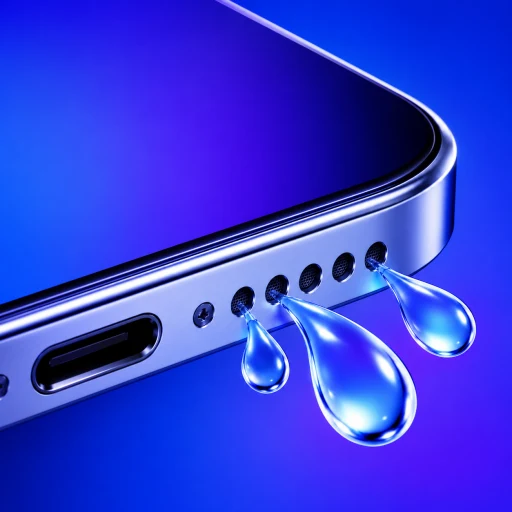
Check where audio is playing
Start music and open the playback destination in Control Center. Look for AirPods, Bluetooth speakers, a car, hearing device or AirPlay target. Return playback to the iPhone or disconnect the accessory.
Apple notes that the playback destination can be changed from the Lock Screen or Control Center while audio is playing.
Check media volume, not only ringtone volume
Raise volume while media is actively playing. Ringtone, alert and media levels can behave differently. Pause other apps that may control audio and remove a case that covers an opening.
If ordinary media now plays clearly, a water-eject sequence was never reaching the phone speaker.
Compare the bottom speaker and top receiver
Play music and use speakerphone to test the loudspeaker path. Make a normal call at your ear to test the receiver. One can be affected while the other remains normal.
This test prevents the wrong conclusion that “the speaker is wet” when only calls or only media are affected.
Look for connector and accessory clues
A liquid alert, accessory message or headphone indicator can point toward the connector rather than the speaker. Disconnect cables and allow the port to dry with airflow. Do not insert objects or use heat.
Speaker sound does not clear a connector, even if the same incident affected both.
When does water become the stronger explanation?
Water is more plausible when one built-in output works but became muffled, quiet or crackly immediately after known exposure, and the symptom changes during downward positioning or a controlled sequence.
Use one targeted run, wipe away droplets and allow drying time. Do not keep changing routes while trying to judge improvement.
What if routing is correct and sound remains absent?
Follow Apple’s speaker troubleshooting: check Silent mode, Focus, cases, blocked openings and the Sounds slider. A dimmed speaker control, no output or persistent static can require service.
Read the symptom pattern
Routing problems usually change instantly when Bluetooth disconnects or the playback destination returns to iPhone. Moisture problems tend to affect one physical opening and improve gradually with position, airflow and time. A blocked grille may sound consistently quiet without a recent exposure, while damage can produce unchanged crackling or silence. Use those differences as clues, not proof. If a route correction restores normal sound, no eject sequence is needed. If the correct built-in output remains muffled after water exposure, proceed with one controlled water-focused test and then allow drying.
Questions about wet speakers and audio routing
Can Bluetooth make Water Eject appear broken?+
Yes. The sequence can play normally through a connected accessory while the iPhone speaker remains silent.
Why are calls muffled but videos clear?+
Calls at your ear use the top receiver, while media uses the loudspeaker path. The receiver may be wet even when routing is correct.
What does headphone mode mean?+
The phone may believe an accessory is connected or route audio away from the speaker. Check the displayed playback destination and connector condition.
When is it probably a speaker problem?+
When routing and volume are confirmed, one built-in output reproduces sound but became muffled or crackly immediately after exposure.