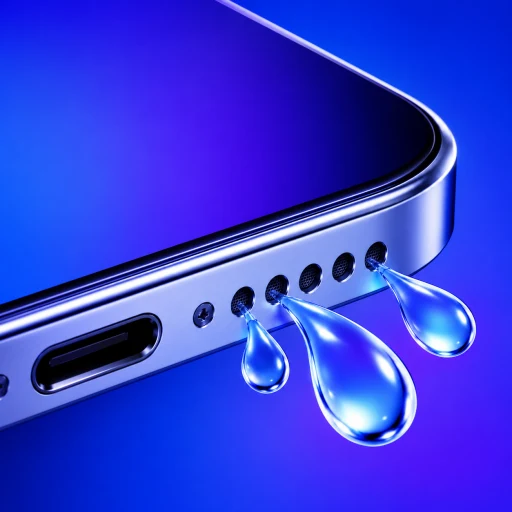
Why start with one complete sequence?
A defined sequence gives you a clear before-and-after test. Multiple overlapping videos or rapidly changing frequencies make it difficult to tell what changed. One run also limits unnecessary high-volume playback.
Remove the case, disconnect cables and Bluetooth, target the affected output and point it downward before starting. Preparation makes the first run more informative.
What should you do between runs?
Wipe away droplets that reach the exterior and return the phone to a dry area with airflow. Play the same short piece of familiar audio at the same volume. Note clarity, volume and crackling.
Do not retest every minute. Remaining moisture may need time to move or evaporate. Apple notes that wet-speaker performance can remain degraded until water evaporates.
When is a second run reasonable?
Use a second sequence when the speaker reproduces sound normally enough to drive the tone and the first run produced visible or audible improvement. Keep the same output and controlled volume so the comparison remains meaningful.
If the first run did nothing, confirm routing and output before assuming repetition is the answer.
When should you stop repeating?
Stop when the speaker is silent, severe crackling worsens, no change occurs, the symptom returns after every brief improvement or the liquid contained salt, chlorine, sugar, milk or soap.
Also stop for charging failure, heat, shutdowns, display changes, camera fogging or repeated liquid alerts. Those problems are outside the audio cavity.
Why is continuous playback unhelpful?
The phone still needs airflow and safe charging precautions. Long continuous sound cannot dry the connector or internal components. It may keep the device active and encourage users to focus on one symptom while missing more important signs.
A controlled tool should create a stopping point, not an endless loop.
What should replace another run?
Choose the next action based on evidence: allow more drying time, correct the audio route, inspect a dry grille for blockage, follow contaminant guidance or seek service. Apple’s speaker troubleshooting covers blockage and persistent no-sound or distortion cases.
Use improvement, not a fixed count
No universal number of runs fits every exposure because the amount and location of liquid differ. Treat the first sequence as a test. If droplets emerge and the same reference audio becomes clearly less muffled, one later repeat may be reasonable. If the result is identical, more repetitions add noise rather than evidence. Record which output was targeted, whether Bluetooth was disconnected and how the sound changed. This small comparison prevents a routing error or damaged speaker from being mistaken for water that merely needs another cycle.
Questions about repeating Water Eject
Can I run Water Eject twice?+
Yes, when the speaker works and the first run clearly helped. Wipe the exterior and allow a pause before the second sequence.
Can I leave a water-eject tone playing overnight?+
No. Continuous playback adds no safe guarantee and can delay proper drying, charging precautions and service decisions.
What if each run helps only briefly?+
Recurring symptoms suggest remaining moisture, residue or damage. Stop chasing temporary improvement and allow a longer drying interval or seek evaluation.
Does more volume reduce the number of runs?+
Not reliably. Excessive volume can increase distortion. Correct output, positioning and controlled playback matter more.