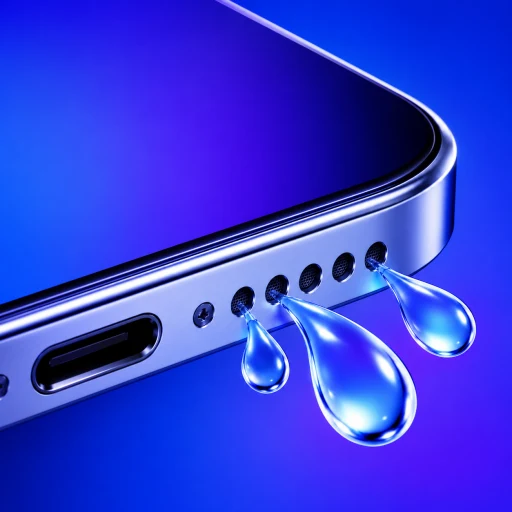
Treat dirty water as more than moisture
“Dirty water” can mean mud, floodwater, dishwater, wastewater or water containing cleaners. Each adds material that can remain after evaporation. Note the source, visible debris and duration of exposure. That information matters if corrosion or intermittent symptoms appear later.
Avoid assuming an ingress-resistance rating makes contaminated exposure harmless. Water resistance is not permanent and laboratory fresh-water conditions do not represent every real incident.
Remove surface liquid without forcing debris inward
Disconnect cables, remove the case and wipe the exterior with a soft, lint-free cloth. Hold openings downward. If grit is visible, do not scrape the speaker mesh or connector with a pin, brush or swab while wet; softened material can be pushed farther inside.
Do not pour household disinfectant or cleaner into openings. Cleaning the exterior, handling contamination and drying the electronics are separate tasks.
Use airflow, not aggressive drying
Place the phone in a dry, ventilated location. Do not use a hair dryer, heater, compressed air or rice. Heat can damage components, air pressure can move liquid unpredictably and particles can enter the connector. Apple’s liquid-detection instructions recommend natural airflow and warn against these common methods.
Let the phone remain stable with the connector down. Repeatedly shaking or rotating it is not a controlled drying method.
Decide whether audio testing is appropriate
If the iPhone remains cool and stable, disconnect Bluetooth and briefly test the bottom speaker and top receiver separately. Do not force a silent speaker with maximum volume. If ordinary sound reaches the affected output but is merely muffled, one controlled Water Eject sequence may move free droplets.
Point the affected opening downward and wipe away ejected moisture. If the sound does not improve, stop. Acoustic pressure cannot dissolve residue or extract grit behind the mesh.
Inspect again only after drying
Once the exterior and openings are dry, use bright light to look for residue without inserting anything. A consistent low volume may reflect a blocked grille; crackling that returns can suggest contamination or damage. Apple’s speaker troubleshooting allows gentle cleaning of dry openings with a small, clean, dry soft-bristled brush.
That method is for loose surface debris, not material packed behind the grille.
Choose service earlier for contaminated exposure
Seek evaluation for persistent distortion, no sound, repeated liquid alerts, unreliable charging, heat, shutdowns, display changes or camera fogging. Chemical, flood or wastewater exposure may justify professional advice even before those symptoms appear.
A speaker sounding clearer is useful progress, but it does not prove that the phone is clean, internally dry or free from later corrosion.
Questions about an iPhone dropped in dirty water
Should I rinse mud out of the speaker?+
Do not improvise another immersion. Follow Apple’s model-specific cleaning guidance or obtain professional advice for contaminated exposure.
Can a tone remove dirty water residue?+
It may move droplets, but dried particles and dissolved contaminants require different handling and may remain behind the grille.
Is rice useful after dirty water?+
No. Rice does not clean contamination and particles can enter the device. Use dry airflow instead.
When is service the better choice?+
Seek service for persistent symptoms, chemical exposure, visible residue in openings or any charging, heat, display, power or camera problem.