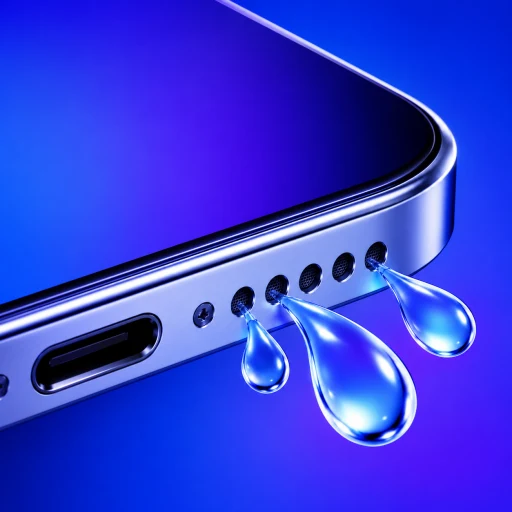
Choose by cause, not by tool
A sudden change after fresh water supports a wet-cavity response. Gradual loss of clarity with visible lint supports physical cleaning. Distortion after milk, salt water or soda introduces residue. Silence or wider phone problems can indicate service.
The same symptom word—“muffled”—can lead to different actions depending on timing and evidence.
When is sound appropriate?
Use sound when the speaker functions and accessible droplets are plausible. Remove the case, disconnect cables, identify the output, point it downward and run one controlled sequence.
Wipe away droplets and allow airflow. Sound works through diaphragm movement; it cannot see or scrape an obstruction.
When is physical cleaning appropriate?
Wait until the phone is dry. Remove cases and films, inspect the opening under good light and use a small, clean, dry, soft-bristled brush if necessary. Use light strokes across the surface.
Apple’s speaker guidance recommends this approach and directs persistent sound problems toward service.
Why separate water and debris sound patterns?
Water movement benefits from controlled low-frequency diaphragm excursion. Loose particles may respond to varied agitation, chirps and impulses. Water Eject therefore keeps automatic water ejection and Deep Clean as different modes.
Deep Clean still cannot pull packed lint through mesh or dissolve residue. It is a sound-based agitation tool, not invisible physical cleaning.
What should you never do?
Do not use compressed air, pour cleaner into a grille, brush a wet opening, insert pins or swabs, or increase volume continuously. These actions can move material inward or stress the component.
Avoid rice and heat when the phone itself is wet.
When should you seek service?
Choose service for no output, severe mechanical crackling, distortion that remains unchanged after drying and safe cleaning, contaminated-liquid residue or multi-system symptoms.
The best cleaner is the method matched to the cause—and sometimes that method is professional inspection.
Use order to avoid creating a second problem
If recent water exposure is plausible, finish the wet-device response and allow drying before brushing. Touching a wet mesh can spread residue or push softened debris inward. Once dry, inspect under bright light and brush only loose material with the opening facing downward. Then replay the same reference clip. Improvement after drying suggests moisture; improvement only after dry brushing suggests blockage. If neither changes the symptom, do not alternate methods indefinitely. The remaining explanation may be behind the grille or inside the component where home cleaning cannot reach safely.
Questions about sound and physical speaker cleaning
Can sound remove dust?+
It may agitate loose particles but cannot reliably remove packed lint or embedded grime.
Can a brush remove water?+
Do not brush a wet opening. Position it downward, use airflow and a controlled water sequence first.
Can I use both methods?+
Yes, in sequence: address water and drying first, then inspect and dry-brush only if blockage remains.
When is neither method appropriate?+
For no sound, severe persistent distortion, sticky residue or broader device symptoms, service evaluation may be more appropriate.