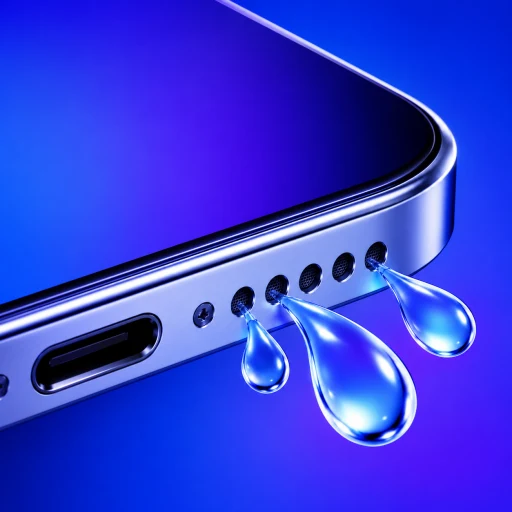
Make sure the phone is dry
Do not brush a wet grille. If water exposure just occurred, disconnect cables, wipe the exterior, position the affected opening downward and allow airflow first.
Physical cleaning while wet can move moisture and debris unpredictably. Address the liquid incident before inspecting residue or lint.
Remove anything covering the opening
Take off the case and inspect screen protectors, films and accessories. A misaligned case can muffle sound without dirt inside the grille.
Use good light and look across the surface. Do not probe the mesh to find out whether material is present.
Use the approved brush method
Apple recommends a small, clean, dry, soft-bristled brush when the speaker or receiver opening needs cleaning. Use light strokes across the surface and brush material away from the opening.
Do not force bristles through the mesh. Stop if the brush catches or the grille appears damaged.
Avoid risky shortcuts
Do not use compressed air, pins, needles, toothpicks, adhesive putty, wet swabs or vacuum nozzles. Do not drip alcohol, soap or cleaner into the opening.
These methods can damage mesh, push material inward or introduce moisture. Apple’s speaker troubleshooting provides the current cleaning boundary.
Test the result consistently
Play the same audio at the same volume and compare a normal call, music and speakerphone. This identifies whether the cleaned opening corresponds to the symptom.
If only calls remain muffled, inspect the top receiver rather than repeatedly cleaning the bottom grille.
When should you stop cleaning?
Stop when visible debris is gone, the grille appears damaged or sound does not improve. Packed material behind the mesh and persistent distortion are not reasons to scrape harder.
Seek service for no sound, severe crackling, damaged mesh or unchanged symptoms after safe drying and cleaning.
Keep cleaning separate from water ejection
Dry debris and trapped water call for different actions. A soft brush can lift loose lint from a dry grille, but it does not draw water from the acoustic cavity. A controlled tone may move droplets from a working speaker, but it cannot remove packed dirt or sticky residue. If exposure involved a drink, pool or sea, treat the contaminant risk first and avoid working material deeper into the mesh. Test with the same short audio clip after each completed stage so that a volume change is meaningful rather than the result of different content.
Questions about safe iPhone speaker cleaning
Can I use a toothbrush?+
Only if it is small, clean, completely dry and genuinely soft-bristled. A purpose-specific soft brush offers more control.
Can I use compressed air?+
No. Apple advises against compressed air when cleaning an iPhone.
Can I use rubbing alcohol on the speaker?+
Do not pour or spray liquid into the opening. Follow Apple’s exterior-cleaning guidance and keep moisture out of ports and grilles.
Can a cleaning sound replace brushing?+
It may move loose particles but cannot reliably remove material packed into the mesh.