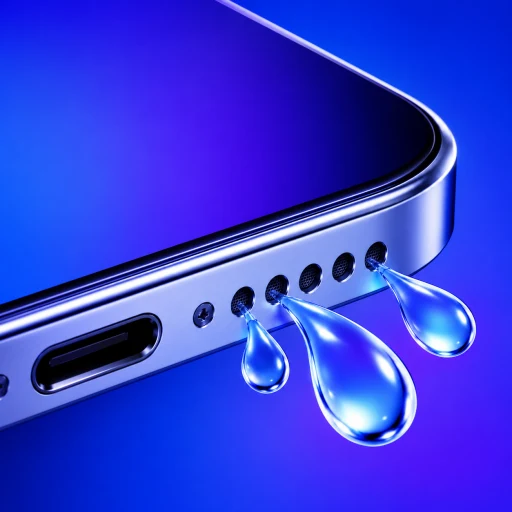
Start with the timeline
A speaker that changed immediately after a splash, shower or submersion is plausibly wet. A speaker that became gradually quieter over months with no liquid event is more likely blocked by lint, dust or skin oils. Write down when the symptom began before trying a cleaner.
Timing is a clue, not proof. A contaminated spill can leave residue that later behaves like dirt, and a case can trap moisture unnoticed.
Listen for the direction of change
Moisture often causes sputtering, uneven distortion or sound that improves as the device drains and dries. Dry blockage tends to produce a consistent reduction across repeated tests. Mechanical damage may create a stable buzz or rattle, especially at specific frequencies.
Use the same spoken clip at moderate volume. Switching music and volume makes these patterns harder to compare.
Confirm the physical output
Disconnect Bluetooth and test the bottom loudspeaker with media or speakerphone. Test the top receiver with a call at your ear. One clear output and one muffled output localize the issue; both sounding normal after route correction means neither water nor dirt required treatment.
Remove any case or protector covering an opening before judging the result.
If water is likely, dry first
Disconnect cables, wipe the exterior and position the affected opening downward in dry airflow. Avoid heat, compressed air, rice and objects in openings. If ordinary sound reaches the muffled output, run one controlled Water Eject sequence and compare the same clip afterward.
Clear improvement supports free droplets. Stop repeating the tone if nothing changes.
If dirt is likely, inspect when dry
Use bright light and look for loose material on the surface. Apple’s speaker troubleshooting allows a small, clean, dry soft-bristled brush for a dirty opening. Brush gently with the opening facing downward.
Never scrape the mesh or add liquid cleaner. Packed debris and sticky residue behind the grille are service tasks, not reasons to press harder.
Know when the distinction no longer matters at home
Seek service when safe drying and surface cleaning produce no improvement, the speaker is silent, the mesh looks damaged or distortion is severe. Also escalate for charging trouble, repeated liquid alerts, heat, shutdowns, display changes or camera fogging.
The useful workflow is ordered: route check, timeline, drying, dry inspection and escalation. Alternating tones and brushes without a diagnosis can create a second problem.
Questions about deciding whether an iPhone speaker is wet or dirty
Can dirt sound like trapped water?+
Yes. Both can reduce volume or clarity, which is why timing, trend and visual inspection matter more than sound alone.
Should I brush a wet speaker?+
No. Let the opening dry first so brushing does not spread moisture or push softened debris inward.
What does improvement after a tone suggest?+
Immediate clear improvement supports free liquid, although it does not prove that the entire phone is dry.
What if neither drying nor brushing helps?+
Stop repeating home methods and seek service for blockage behind the mesh or component damage.