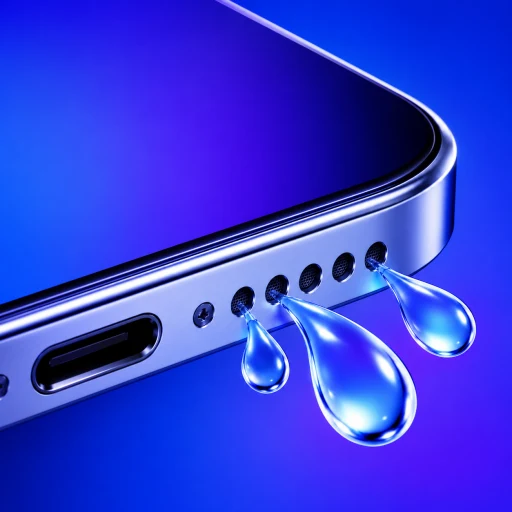
Remove the phone and disconnect power
Retrieve the iPhone promptly without reaching near unsafe electrical equipment. Unplug every cable and remove the case so trapped liquid can escape. Wipe the exterior with a soft, lint-free cloth. Hold the connector downward and gently tap the phone against your hand to encourage excess liquid away from the opening.
Do not press buttons simply to confirm that everything works. A quick visual check for heat, flickering, camera fogging or an unexpected shutdown is more useful than repeated operation.
Identify what was in the sink
Clean tap water presents a different risk from dishwater containing soap, grease, food or cleaning products. Contaminants can leave conductive or sticky residue even after visible water evaporates. Note the liquid and approximate submersion time in case later service is needed.
Do not rinse or immerse the phone again based on a generic internet tip. Follow Apple’s current instructions for the model and exposure, and seek professional guidance when a chemical cleaner was involved.
Let openings drain and dry
Place the iPhone in a dry area with ordinary airflow, with the connector and affected speaker positioned to let gravity help. Avoid rice, heat, compressed air, swabs and paper inserted into openings. Apple’s liquid-detection guidance specifically warns against those methods.
Leave the device stable rather than rotating it frequently. Check progress at reasonable intervals and watch for symptoms beyond audio.
Test the speaker only when the phone is stable
Disconnect Bluetooth and play a short spoken clip at moderate volume. Compare the bottom loudspeaker with a call at the ear to identify which output is affected. A muffled but functioning output can contain droplets; complete silence or harsh mechanical noise needs a different response.
If one output works but sounds wet, point that opening downward and run one controlled Water Eject sequence. Wipe away expelled droplets, stop playback and return the phone to airflow.
Keep charging on a separate timeline
A clear speaker does not mean the charging connector is dry. Apple’s wet-iPhone guidance says to allow at least five hours before wired charging after liquid exposure. A liquid alert may require more drying and another check later.
Do not use emergency override merely to test the phone. Wireless charging also requires a dry exterior.
Escalate if symptoms persist or spread
Seek service for repeated connector alerts, charging failure, no sound, severe distortion, heat, restarts, display changes or camera fogging. Persistent trouble after soapy or dirty water deserves particular caution because sound cannot remove residue.
The useful distinction is simple: Water Eject may address a working wet speaker, while the sink incident still requires a full device-level response.
Questions about an iPhone dropped in a sink
Does it matter whether the sink contained soap?+
Yes. Soap and cleaning products leave residue and increase the need for cautious exterior handling and professional assessment if symptoms persist.
Should I turn the iPhone off?+
Disconnect power immediately. If it shows heat, instability, display changes or other system symptoms, stop using it and seek service guidance.
Can I charge it when the speaker sounds normal?+
Not on that basis. Speaker recovery does not prove that the connector is dry; follow Apple’s timing and any liquid alert.
When can Water Eject help?+
Only when the phone is stable, the affected speaker produces ordinary audio and the remaining symptom is wet or muffled sound.