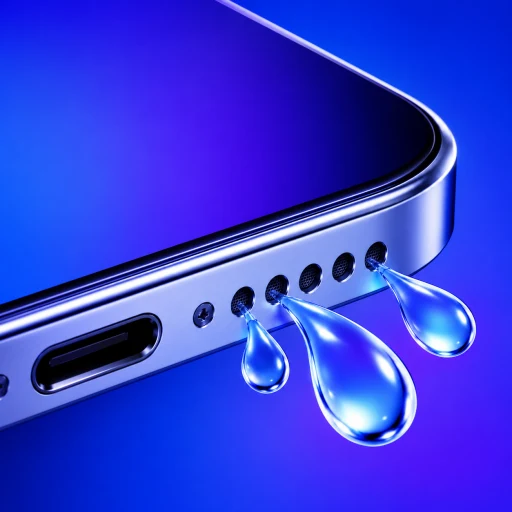
Move to a dry environment
Disconnect any cable and take the iPhone out of active snowfall. Remove its case and hold the affected opening downward so loose snow can fall away. Wipe the exterior with a soft, lint-free cloth without rubbing crystals into the grille.
If the phone is extremely cold, avoid heavy use. A cold battery and rapid temperature change create concerns beyond the speaker symptom.
Let the temperature change gradually
Do not use a hair dryer, radiator, hand warmer or oven. Concentrated heat can damage the device, while a rapid move from deep cold to humid warmth can promote condensation. Leave the phone in a dry, ventilated room and allow it to reach room temperature naturally.
Do not seal it in a bag of rice. Apple’s liquid-detection guidance recommends airflow and warns against external heat, compressed air and particles in openings.
Expect the symptom to change as snow melts
Packed snow may first block sound physically. As it melts, the speaker can become more muffled or sputter because droplets now cover the acoustic mesh or diaphragm. This temporary change does not automatically mean damage.
Keep the speaker opening downward and give meltwater time to drain. Avoid shaking the phone hard, which can move water toward other openings.
Test both built-in outputs
Once the phone is near room temperature and stable, disconnect Bluetooth. Play a short spoken clip through the bottom loudspeaker and make a brief call using the top receiver. Use moderate volume and note whether one or both paths are affected.
If a working output sounds wet, run one controlled Water Eject sequence with that opening downward. Stop if audio is absent or produces a severe mechanical rattle.
Check for salt, grit and connector moisture
Snow from a clean surface differs from roadside slush. Salt and grit can remain after water evaporates, producing a persistent blockage or corrosion risk. Once the phone is dry, inspect the openings in bright light without inserting anything.
Do not connect a cable merely because the speaker improves. Follow Apple’s wet-iPhone guidance and any liquid alert before charging.
Know when the cold-weather incident needs service
Seek evaluation for distortion that does not improve, no sound, repeated liquid alerts, charging failure, heat during rewarming, unexpected shutdowns, display changes or camera fogging. Mention road salt or de-icing chemicals if they were present.
Water Eject is a meltwater tool in this scenario, not a way to accelerate warming or clean winter contaminants.
Questions about snow in an iPhone speaker
Should I use warm air to melt the snow?+
No. Avoid concentrated heat and rapid temperature changes; let the phone warm gradually in a dry, ventilated location.
Can I brush snow out?+
Let loose snow fall away. Do not press a brush or object into a wet opening; inspect for dry debris only after drying.
Why did the speaker worsen indoors?+
Snow can melt after entering a warm room, turning a seemingly dry blockage into water around the speaker grille.
What if the snow contained road salt?+
Treat it as contaminated exposure and seek advice sooner if residue or persistent symptoms remain.