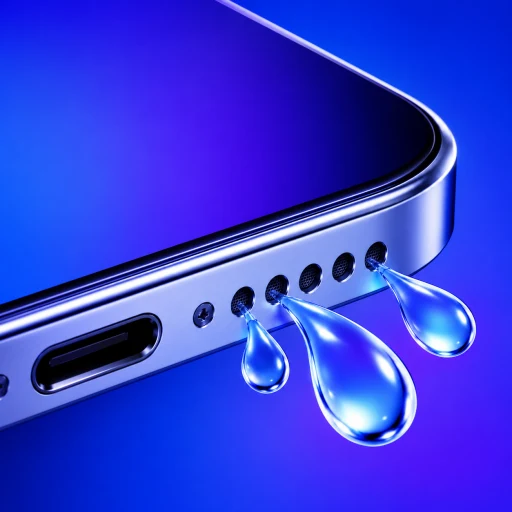
How do you know the top speaker is affected?
The top receiver is the small opening near the upper edge of the display. It is used when you hold the iPhone to your ear during a call. The bottom loudspeaker handles most music and speakerphone output.
Make a short test call at moderate volume. Then play music and try speakerphone. If calls at your ear are muffled or crackly while media sounds normal, the receiver is the likely problem. If every output sounds wrong, use a broader wet-speaker diagnosis.
Why can the bottom speaker clear first?
Standard media playback is routed to the loudspeaker system, and many water-eject shortcuts or web sounds do not provide an explicit receiver target. A strong tone from the bottom of the phone may do little for water near the top opening.
The receiver is also smaller and may react differently to the same tone. Do not compensate by pushing maximum volume or assuming a very high frequency is safer. Correct output and positioning matter more than brute force.
How should you position the iPhone?
Remove the case and wipe the exterior with a soft, lint-free cloth. Angle the top edge downward over the cloth so droplets have a path away from the receiver. Keep cables disconnected and avoid pressing material into the narrow opening.
Apple advises checking wet speakers with the speaker side down and allowing the phone to dry in an area with airflow. The same principle applies to the receiver: give moved moisture somewhere to go.
How do you run an earpiece-specific sequence?
Select the earpiece or receiver output explicitly. Begin at a comfortable volume and run one controlled sequence. Listen for clearer speech rather than expecting a dramatic spray. Wipe any moisture that reaches the exterior.
With Water Eject, choose the earpiece target instead of the main speaker. Manual mode also provides output and frequency control, but changing frequency is not a substitute for drying time or a diagnosis.
What if the receiver crackles on bass?
Low tones create larger diaphragm movement and may make water interference more obvious. Run the controlled sequence once and stop if the sound becomes harsh, scraping, or worse. Leave the phone to dry and compare the same call or recording later at moderate volume.
Persistent bass crackle can come from remaining water, residue, blockage, or damage. A tone cannot tell those apart.
Could the receiver be dirty instead of wet?
If the phone is dry and the receiver remains muffled, inspect the opening under good light. A case, screen protector, lint, or dried residue can block it. Apple recommends removing obstructing accessories and using a small, clean, dry, soft-bristled brush when cleaning is necessary.
Do not brush while the opening is wet, use compressed air, apply liquid, or force bristles into the mesh. Apple’s speaker and receiver troubleshooting provides the current checks and service path.
When should the top speaker be serviced?
Consider service when the receiver produces no sound, severe crackling persists after drying, calls remain difficult to understand, or the phone has other liquid-related problems. A functioning bottom speaker does not rule out a receiver fault.
The correct sequence is target, position, run once, dry, and reassess—not repeatedly blasting the bottom speaker while the top output remains untreated.
Questions about water in the top iPhone speaker
Where is the top iPhone speaker?+
The top receiver is the narrow audio opening near the upper edge of the display. It produces the sound you hear when holding the phone to your ear during a call.
Why did a water-eject shortcut fix only the bottom speaker?+
Many shortcuts and web sounds use the normal media route, which primarily drives the bottom loudspeaker. The receiver may need an output mode designed to target it.
Should I use a higher frequency for the earpiece?+
Higher is not automatically better. Use a controlled sequence and comfortable volume. Stop if the receiver crackles more or sounds mechanically distressed.
How long does the top speaker take to dry?+
There is no guaranteed time. Exposure and contamination matter. Allow airflow and monitor clear improvement; persistent distortion or no sound can require service.